Why Non-Woven Wound Dressings Are a Must for Healthcare Professionals
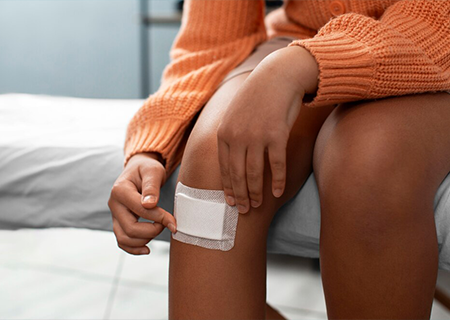
In the healthcare industry, wound care plays a crucial role in promoting recovery and preventing infections. For healthcare professionals, selecting the right materials for wound management is essential to ensure optimal healing conditions for patients. One such material that has gained significant attention in recent years is non-woven wound dressings. These dressings are now considered a staple in modern healthcare due to their numerous benefits over traditional wound care products. In this blog, we will explore why non-woven wound dressings are a must-have for healthcare professionals.
What Are Non-Woven Wound Dressings?
Non-woven wound dressings are made from synthetic fibers that are bonded together using mechanical, thermal, or chemical processes. Unlike woven dressings, which are made by weaving fibers together, non-woven dressings are typically more flexible, soft, and breathable. They come in various forms, including pads, strips, and rolls, making them versatile for use in different types of wound care scenarios.
1. Enhanced Comfort and Softness
One of the most significant advantages of non-woven wound dressings is their comfort. These dressings are soft and gentle on the skin, reducing the risk of irritation for patients, especially when the dressing must be applied over a long period. Traditional woven dressings can sometimes be stiff or rough, causing discomfort or even abrasion to sensitive skin. Non-woven materials, on the other hand, provide a smoother texture that helps patients feel more comfortable during the healing process.
In healthcare settings, comfort is key to patient satisfaction and overall recovery. Non-woven wound dressings provide a level of comfort that helps minimize any discomfort patients might experience, especially for those with chronic wounds or sensitive skin.
2. Improved Absorbency
Non-woven wound dressings are highly absorbent, making them ideal for managing moderate to heavy exudating wounds. Their structure allows them to hold moisture while maintaining a dry surface, creating an optimal environment for healing. This absorbency is essential for preventing maceration (the breakdown of skin due to prolonged exposure to moisture) around the wound site.
For healthcare professionals, this absorbency feature reduces the need for frequent dressing changes and helps in controlling wound moisture, which is a key factor in preventing infections and promoting faster healing.
3. Reduced Risk of Infection
Infection control is one of the primary concerns in wound care. Non-woven dressings provide an excellent barrier against bacteria and other contaminants. Many non-woven dressings are impregnated with antimicrobial agents or coated with protective layers that further enhance their ability to prevent infection. This makes them an ideal choice for surgical wounds, chronic wounds, and burns, where infection is a serious concern.
Healthcare professionals rely on non-woven wound dressings to maintain sterile environments around the wound site, reducing the risk of postoperative infections, nosocomial infections (hospital-acquired infections), and complications that could delay recovery.
4. Breathability and Moisture Control
Non-woven dressings are known for their superior breathability compared to traditional materials. Their construction allows air to circulate freely around the wound, promoting oxygen flow to the healing tissue. This helps accelerate the healing process and prevents the formation of a moist, stagnant environment that could support bacterial growth.
Additionally, these dressings help maintain an optimal moisture balance—neither too wet nor too dry—which is essential for wound healing. By creating a moist environment, non-woven dressings can promote the regeneration of tissue without the risk of excessive moisture that can lead to infection or slow healing.
5. Ease of Application and Removal
The soft, flexible nature of non-woven dressings makes them easy to apply and remove, even in difficult-to-reach areas of the body. Their adhesive backing (if applicable) sticks securely to the skin but can be removed without causing damage or discomfort. This is particularly important when treating patients with sensitive or fragile skin, such as the elderly or those suffering from conditions like diabetes.
Healthcare professionals appreciate the ease with which non-woven dressings can be applied and removed, especially in busy hospital environments where time and patient comfort are of the essence.
6. Cost-Effectiveness
While non-woven wound dressings may be priced slightly higher than traditional wound care products, they offer long-term cost savings. Because they require fewer changes, are highly absorbent, and reduce the risk of complications (such as infections), hospitals and clinics can save money by reducing the number of dressing changes and additional treatments.
Moreover, the durability of non-woven dressings means they stay in place longer, further minimizing the need for frequent replacement. This efficiency makes them an economically viable option for both healthcare professionals and healthcare facilities.
7. Versatility for Different Wound Types
Non-woven wound dressings are available in various sizes and shapes, making them adaptable to different types of wounds. Whether dealing with chronic ulcers, surgical incisions, burns, or abrasions, non-woven dressings can be used effectively to address the specific needs of the wound. They can also be found in various forms, such as sterile gauze pads, rolls, or adhesive bandages, providing healthcare professionals with the flexibility to choose the right option for each patient's wound.
Their versatility makes them suitable for a wide range of medical settings, from general wound care in outpatient clinics to advanced post-surgical wound management in hospitals.
8. Patient-Centered Care
Above all, non-woven wound dressings support a patient-centered approach to care. By ensuring that patients experience less pain during dressing changes, fewer complications, and a faster recovery time, healthcare professionals can improve patient outcomes and overall satisfaction. This is particularly significant in settings where patients have long-term care needs, such as wound care for diabetics or geriatric patients.
Non-woven dressings contribute to a holistic approach to care that prioritizes the well-being of the patient while achieving the clinical objectives of wound healing and infection control.
Conclusion
Non-woven wound dressings offer a range of benefits that make them a must-have for healthcare professionals in modern wound management. From enhanced comfort and improved absorbency to reduced infection risk and greater breathability, these dressings play a crucial role in promoting faster healing and better patient outcomes. By choosing non-woven wound dressings, healthcare professionals can provide effective, efficient, and compassionate care to their patients, ensuring a safer, more comfortable healing process.
For healthcare facilities looking to enhance their wound care protocols, incorporating high-quality non-woven wound dressings, such as those offered by Avant Traders, is an excellent step toward achieving optimal clinical results and patient satisfaction.
Sign In To Leave Your Comment
Don'/t have an account Sign up
Comments